Simple Haven Projects
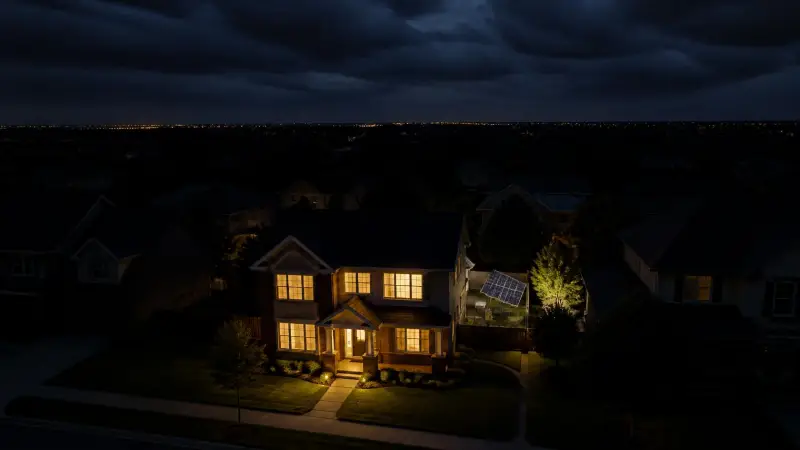
Imagine waking up at 2:00 AM to a chilling, unnatural silence. The familiar hum of the refrigerator is gone. The streetlights outside your window, which usually cast a soft glow across the lawn, are completely dark. You instinctively reach for your phone, only to discover there is zero cellular signal. For the first few hours, you might dismiss it as a routine, temporary power outage. But as hours turn into days, a terrifying reality sets in: The grid has collapsed, and you are entirely on your own.
This catastrophic scenario is no longer just the plot of a Hollywood dystopian thriller; it is a statistical and mathematical inevitability. Our unwavering reliance on an aging, overburdened infrastructure is becoming increasingly dangerous by the day. According to comprehensive reports and ongoing tracking from the United States Department of Energy, weather-related power outages have effectively doubled over the past two decades. We are currently facing a perfect storm of unprecedented consumer demand, aggressive foreign cyber threats, and extreme weather patterns that our centralized, mid-20th-century electrical systems were simply never designed to withstand.
When you rely 100% on the municipal power grid, you are essentially outsourcing your family's safety, comfort, and survival to a system that is fundamentally fragile. When the grid goes down, the food in your freezer will spoil within 48 hours, representing hundreds of dollars in lost resources. Your crucial heating and cooling systems will fail, exposing your family to extreme temperatures. Your ability to communicate with the outside world will vanish. This harsh reality is driving a massive, urgent shift toward living off the grid electricity. It is no longer viewed merely as an eccentric lifestyle choice for hermits, but rather as a mandatory, non-negotiable insurance policy for responsible, forward-thinking families.
When a major blackout hits or a severe storm is forecasted, the first panic-driven instinct for many unprepared homeowners is to rush to the nearest big-box hardware store and purchase a portable gas generator. While this heavy piece of machinery might seem like a quick, logical fix to a sudden problem, experienced survivalists and off-grid experts know that it is actually a devastatingly flawed long-term survival strategy.
First and foremost, traditional gas generators are incredibly loud. In a prolonged grid failure where essential resources are scarce and desperation grows, the deafening roar of a combustible engine is essentially a massive acoustic beacon. It announces to everyone within a one-mile radius, "I have power, I have food, and I have supplies." In any crisis scenario, stealth and low visibility are your greatest assets. You want your home to remain unnoticed and unremarkable, not make yourself a prime target for desperate individuals.
Second, gas generators rely entirely on a complex, highly vulnerable supply chain. They require a constant stream of highly flammable fuel. If the grid is down, local gas station pumps simply do not work. Once your safely stored gasoline runs out—which typically happens in just a matter of three to four days of continuous use—your expensive, heavy generator becomes nothing more than a useless paperweight. Furthermore, gasoline degrades over time; if not treated with chemical stabilizers, fuel stored for emergencies can ruin a generator's carburetor when you need it most.
Finally, the improper use of these machines leads to severe, often fatal safety hazards. The Centers for Disease Control and Prevention (CDC) continuously publishes urgent warnings regarding the fatal risks of carbon monoxide (CO) poisoning associated with traditional fuel generators. Every year, during the aftermath of hurricanes and winter storms, entire families tragically lose their lives simply because a gas generator was placed too close to a window or inside a garage.
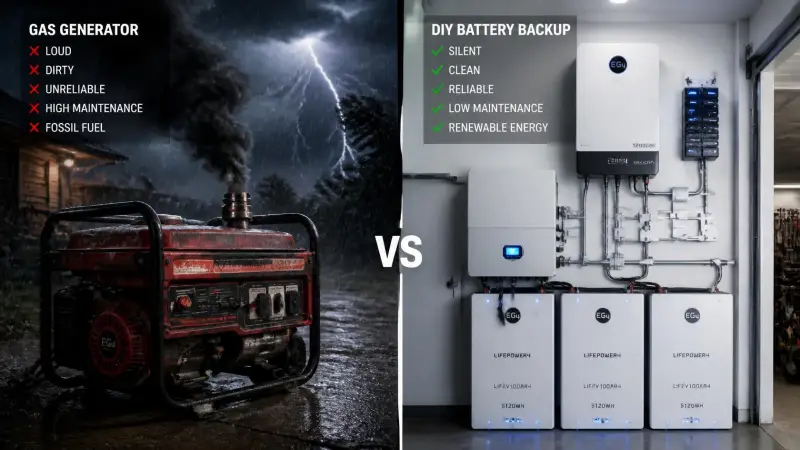
If the municipal grid is demonstrably unreliable, and traditional gas generators are nothing more than a temporary, dangerous trap, what is the actual solution? The definitive answer lies in decentralization and self-reliance. True energy independence for homeowners means completely severing the invisible, vulnerable cord that ties your family’s survival to the government and massive utility corporations.
Energy independence is the profound peace of mind that comes from knowing you personally control your own reliable power source. It means that when the neighborhood goes pitch black, your lights stay on without a sound. Your essential medical devices keep running seamlessly. Your stored food stays completely frozen, preserving your investments. It effectively transforms your standard residential house from a vulnerable, dependent box into a self-sustaining, fortified stronghold.
To properly achieve this level of security, you need a system that harnesses an infinite, renewable resource. You need a system that rigorously obeys the unchangeable laws of physics rather than the wildly fluctuating, politically driven prices of fossil fuels. You need a setup that operates in total silence, requires absolutely zero ongoing fuel costs, and can be maintained, scaled, and repaired without needing specialized engineering degrees or expensive commercial contractors.
The tightly guarded secret that large energy conglomerates and commercial solar companies do not want you to know is that generating, regulating, and safely storing your own electricity is not complex rocket science. It is basic, applied physics. You do not need to take out a second mortgage to spend $30,000 on massive, heavy solar panel arrays that damage your roof just to protect your home. In fact, a highly efficient, stealthy diy home battery backup can be constructed right in your garage using common parts easily found at local electronics shops, hardware stores, or online retailers.
A robust and reliable DIY off-grid system fundamentally consists of three main components: a localized collection source (like unique, high-efficiency, space-saving 3D solar configurations that catch sunlight from multiple angles), a smart charge controller to strictly regulate the incoming energy flow and protect the batteries, and a deep-cycle battery bank to safely store the harvested power for nighttime use. By choosing to source the parts and build it yourself, you completely bypass the massive, inflated markups and installation fees charged by commercial solar companies.
More importantly, building your own modular system grants you something far more valuable than just electricity: the knowledge to repair it. If a proprietary commercial system breaks down during a prolonged crisis, you are entirely out of luck, stuck waiting weeks for a specialized technician who will likely never arrive. However, if a standard component in your DIY system fails, you already possess the intimate knowledge of exactly how it was built, allowing you to swap out the faulty part and get your critical power flowing again within minutes.
When you strip away the marketing hype and compare the available options side-by-side based on reliability, safety, and long-term viability, it becomes undeniably clear what truly constitutes the best home backup power for outages.
1. The Municipal Grid (The Baseline): Highly convenient and invisible during normal, peaceful times, but completely useless, heavily centralized, and potentially life-threatening during natural disasters, cyber attacks, or infrastructure collapses.
2. Gas/Diesel Portable Generators (The Trap): Expensive to run continuously, incredibly loud (compromising security), entirely reliant on a fragile fuel supply chain, and mechanically prone to failure if not maintained perfectly. They offer only a false, temporary sense of security that expires the exact moment your plastic jerry cans are empty.
3. Stealth DIY Solar & Battery Systems (The Ultimate Solution): These systems run in absolute silence, emit zero toxic carbon monoxide fumes, and literally refuel themselves every single day as long as the sun rises. Because modern DIY designs are incredibly compact, they can be safely kept inside a garage, shed, or basement, perfectly protecting them from severe weather damage and effectively keeping your invaluable energy wealth hidden from desperate, unprepared neighbors.
The absolute worst time to start preparing is when the sky turns violently black, the emergency sirens sound, and the grocery store shelves have already been picked clean. The correct time to secure your family's future and establish a robust backup plan is right now, while components are still affordable, shipping networks are functional, and supplies are readily available.
You might be reading this and thinking, "I am not an electrician or an engineer, how can I possibly build my own functioning power plant?" This incredibly common hesitation is exactly why the Energy Revolution System was meticulously created.
This comprehensive, easy-to-follow, step-by-step video blueprint takes the complex mystery out of solar engineering and battery storage. It provides you with the exact, simplified schematics needed to build a compact, highly efficient power source that can comfortably keep your essential appliances, lights, and communication devices running through the darkest of times. It is specifically designed for average, everyday people with absolutely no technical background, utilizing inexpensive, off-the-shelf parts to create a world-class, professional-grade energy safeguard for your home.
Stop gambling with your family's safety and hoping the grid will always be there to save you. Take definitive control of your own power, build your energy fortress, and guarantee that your family will never be left in the dark again.