
Simple Haven Projects
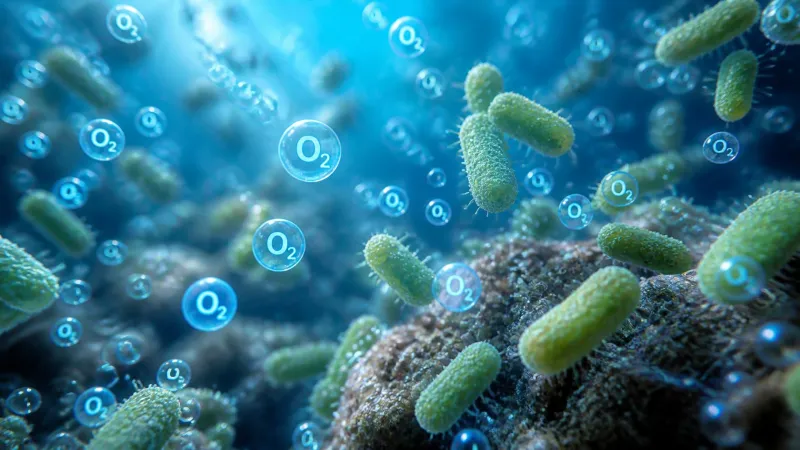
When you flush a toilet or drain a sink, you probably do not think twice about where the wastewater goes. Most homeowners view their septic system simply as a concrete or plastic holding tank buried in the yard. However, this is a dangerous misconception that often leads to thousands of dollars in repair bills. In reality, a healthy septic tank is not just a container; it is a highly active, living biological engine.
The success or failure of your entire plumbing system depends entirely on microscopic workers: bacteria. These microorganisms are responsible for eating and digesting solid human waste, toilet paper, and organic matter, breaking it down into a clear liquid effluent that can safely drain into the soil. If this biological workforce is weak, slow, or dead, the solid waste quickly accumulates. The sludge layer grows thicker, toxic gases build up, and eventually, raw sewage backs up into your home or floods your beautiful lawn.
To prevent this disaster, you must understand the microscopic war happening underground. The secret to a perfectly functioning, odor-free system relies entirely on one specific type of microorganism: aerobic bacteria for septic tanks.
To truly grasp the mechanics of wastewater treatment, we must look at the fundamental differences in the aerobic vs anaerobic bacteria septic tank debate. By design, standard residential septic tanks are buried deep underground and sealed tightly. This creates a completely oxygen-free environment, known scientifically as an anaerobic state.
Because there is no oxygen, anaerobic bacteria dominate the tank. While these bacteria do digest waste, they are notoriously slow and highly inefficient. According to basic wastewater engineering principles, anaerobic digestion is sluggish, meaning the solid sludge builds up much faster than the bacteria can eat it. Furthermore, when anaerobic bacteria digest waste, they release horrific byproducts: methane and hydrogen sulfide. Hydrogen sulfide is the exact toxic gas responsible for the nauseating "rotten egg" smell that ruins your backyard barbecues.
On the other hand, aerobic bacteria are the elite special forces of waste digestion. These bacteria require oxygen to survive. When oxygen is present, aerobic bacteria consume solid waste and toilet paper up to 20 times faster than anaerobic bacteria. The best part? Their digestion byproducts are simply clean water and odorless carbon dioxide. No toxic gases, no rotten egg smell, and drastically reduced sludge levels.
Once homeowners understand the sheer power of aerobic digestion, the immediate question becomes: how to add oxygen to septic tank environments that are buried beneath three feet of dense soil?
For decades, the only answer to this engineering challenge was mechanical aeration. Plumbers and septic professionals would charge homeowners anywhere from $1,500 to $3,500 to dig up the yard, cut into the concrete tank, and install a motorized air pump or aerator. These machines force ambient air down into the wastewater through a series of tubes, creating an artificial aerobic environment.
While mechanical aerators do work, they come with massive drawbacks. They are incredibly expensive to install. They run on electricity 24/7, driving up your monthly utility bills. Most importantly, they have moving mechanical parts that are submerged in highly corrosive wastewater, meaning they frequently break down and require expensive professional maintenance. There had to be a smarter, biological way to oxygenate the water without tearing up the lawn or relying on electricity.
Advancements in biotechnology have finally provided a permanent fix that bypasses the need for expensive mechanical aerators. The solution lies in an innovative oxygen releasing septic treatment. Instead of pumping air from the outside, scientists figured out how to generate pure oxygen chemically from the inside out.
This breakthrough comes in the form of a dense, solid tablet. Unlike liquid treatments that simply wash out into the drain field the moment someone takes a shower, a solid tablet is heavy enough to sink straight through the water and embed itself deep inside the dense sludge layer at the bottom of the tank.
Once submerged, the tablet reacts with the wastewater and immediately begins to fizz, aggressively releasing up to 10 liters of pure, life-giving oxygen directly into the anaerobic sludge. This sudden burst of oxygen instantly neutralizes the toxic hydrogen sulfide gases, destroying the rotten egg smell in a matter of days. But the chemical reaction is only the first phase.
As the tablet releases oxygen, it simultaneously unleashes billions of live, highly active aerobic bacteria for septic tanks. Because the environment has just been flooded with oxygen, these aerobic strains thrive immediately. They go to work reproducing rapidly and devouring the accumulated solid human waste, grease, and toilet paper at unprecedented speeds.
This biological takeover effectively transforms your slow, smelly, failing tank into a hyper-efficient, odorless wastewater treatment plant. By maintaining a healthy colony of aerobic bacteria, the sludge layer is continuously dissolved. This prevents the solid waste from ever reaching the level where it can spill over into your drain field.
The financial implications for homeowners are massive. A clogged drain field or a failed system can cost upwards of $10,000 to replace. Even routine professional pumping costs between $300 and $800 a visit. By simply feeding your tank the oxygen and aerobic bacteria it desperately needs, you can virtually eliminate the need for expensive pumping and secure the longevity of your property's plumbing system for decades.
You do not have to accept foul odors as a normal part of country living, and you do not have to live in constant fear of a catastrophic sewage backup. The science is clear: an aerobic environment is the only way to achieve a truly healthy, clean, and efficient septic system.
Products like Septifix have revolutionized home wastewater management by combining advanced oxygen-release technology with elite bacterial strains into one simple, flushable tablet. Dropping just one tablet into your toilet once a month is all it takes to trigger this biological transformation underground.
Take control of your home's ecosystem today. Switch from a slow, decaying anaerobic trap to a fast, fresh aerobic engine, and never worry about your septic tank again.